Molecule-based, not compressor-based
The cooling comes from the coolant itself rather than from machinery, so there is nothing to spin up, plug in, or maintain in the field.
EndoTer builds a non-toxic personal cooling system on a molecular coolant — starting with a wearable cooling vest that keeps firefighters, industrial crews and police working through extreme heat.
Occupational heat stress
01 — Circulation
To shed heat, the body pushes blood toward the surface. What reaches the muscles and the brain drops at exactly the moment the work gets harder.
02 — Cardiac load
Heart rate climbs to hold output steady against falling volume. That reserve is finite, and protective gear traps the heat it was designed to shield against.
03 — Judgement
Reaction time, decision quality and endurance degrade well before a person recognises they are in trouble — which is what makes heat stress dangerous rather than merely uncomfortable.
The technology
EndoTer’s thermal core is a molecular coolant held inside an engineered channel structure. It is the same core across every product in the roadmap — only the housing changes.
The cooling comes from the coolant itself rather than from machinery, so there is nothing to spin up, plug in, or maintain in the field.
The formulation was selected to be safe against skin and safe to dispose of — a requirement, not an afterthought, for equipment worn on the body.
The same thermal core scales from a garment to equipment enclosures, battery packs and server hardware.
01 — Prototype
The channel geometry was developed on the bench, iteration after iteration, until the coolant path covered the torso evenly without stiffening the garment.
02 — Charge
The vest fills through a single valve and seals. There is no cartridge to source, no compressor, and nothing that fails quietly mid-shift.
03 — Channels
A continuous three-dimensional channel structure holds the coolant in contact across the chest and back, pulling heat out of the areas that load the cardiovascular system hardest.
The product
Four elements, one garment. Explore each one.
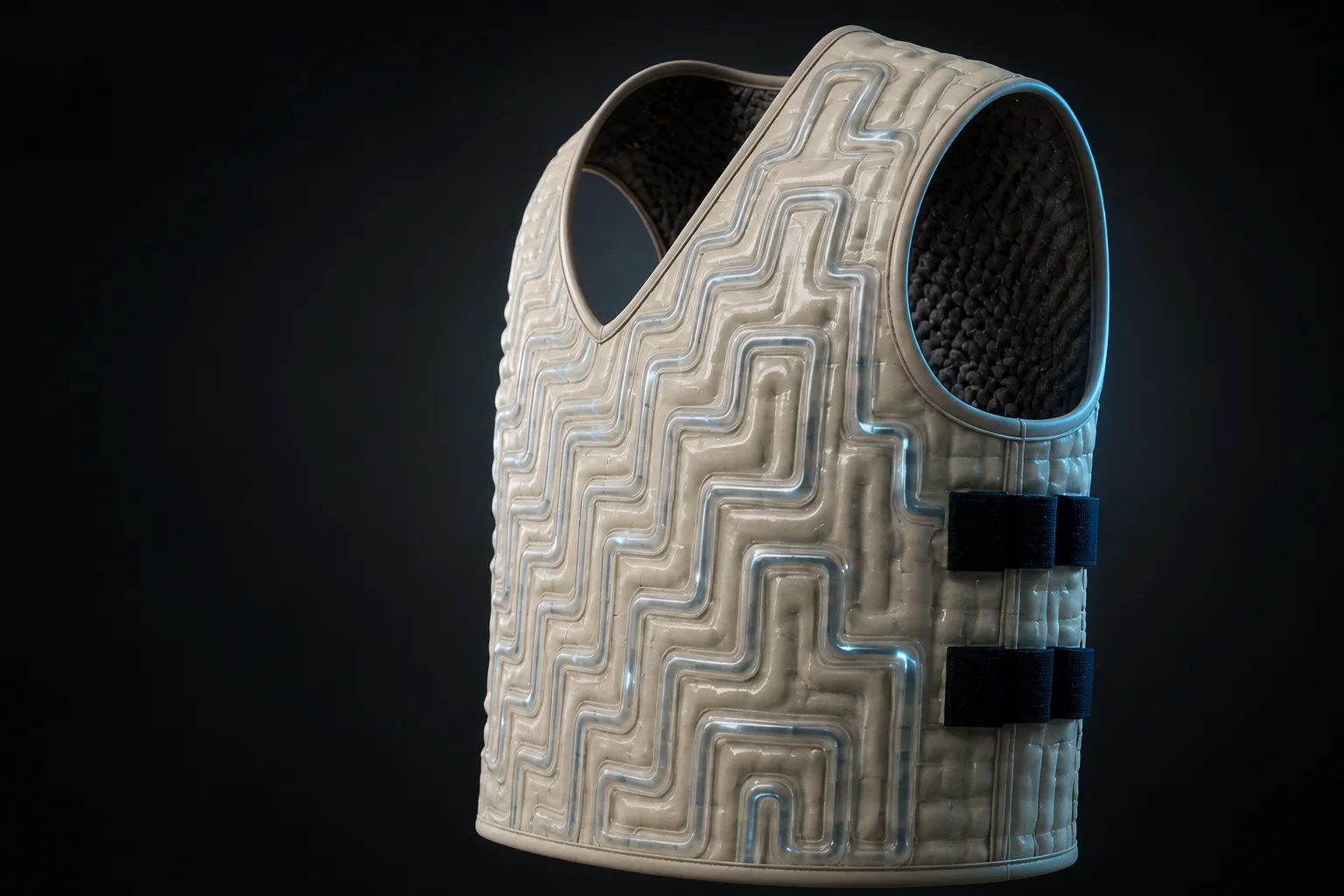
A continuous serpentine channel is formed into the shell so the coolant covers the chest and back without stiffening the garment.
Worn
As a base layer, under protective gear
Charge
Filled through a single valve, no tools
Power
No compressor, no battery, no cables
Coolant
Non-toxic, eco-friendly formulation
In the field
Emergency services
Structural gear is built to keep heat out, which also keeps metabolic heat in. The vest goes on first and works inside that envelope.
Heavy industry
Where radiant heat is part of the process, cooling has to travel with the worker rather than sit in a break room.
Field operations
Long shifts in body armour and high ambient temperatures, with no realistic access to conditioned air.
The platform
The same thermal core addresses four sectors where heat is the limiting factor. As the technology advances toward commercial deployment, we continue to share progress and milestones.

Precision cooling for sensitive equipment, pharmaceuticals and biologics.
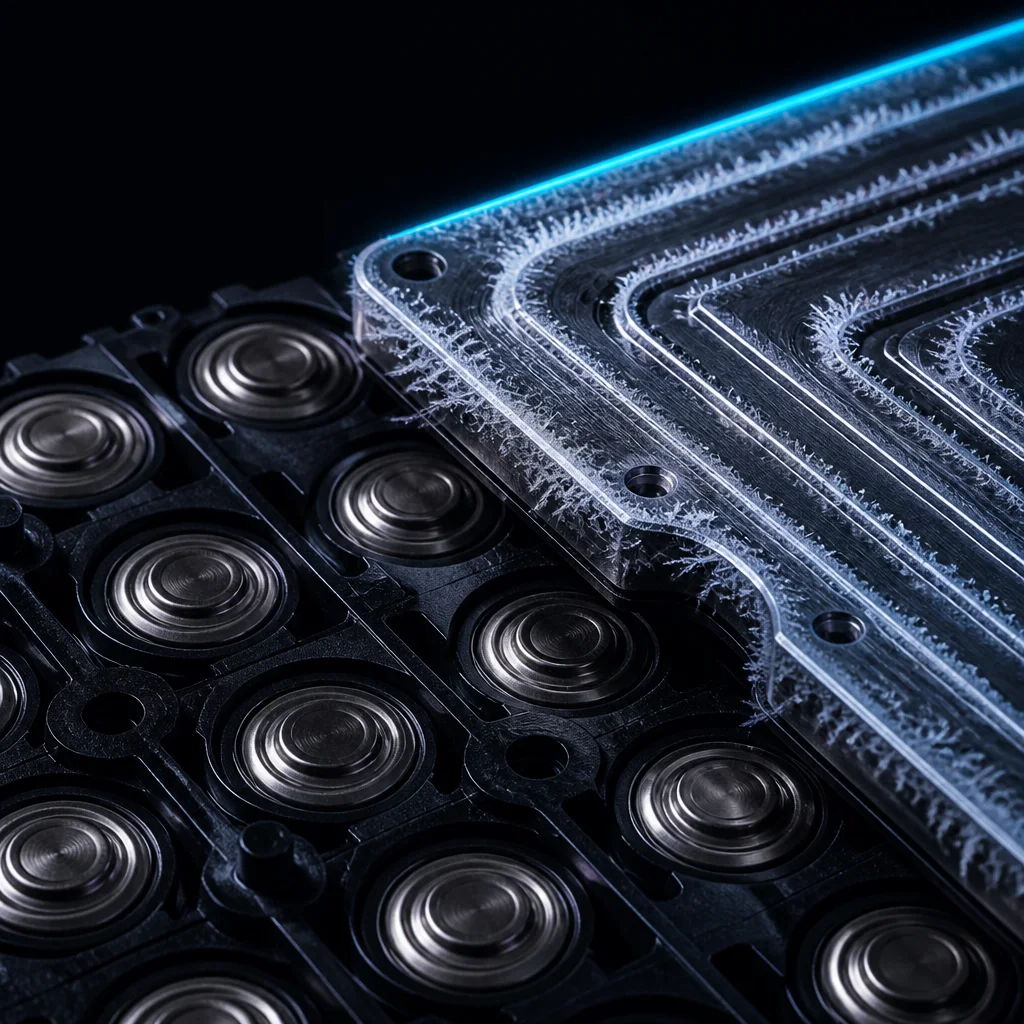
Improved safety, extended lifespan and optimised thermal performance.
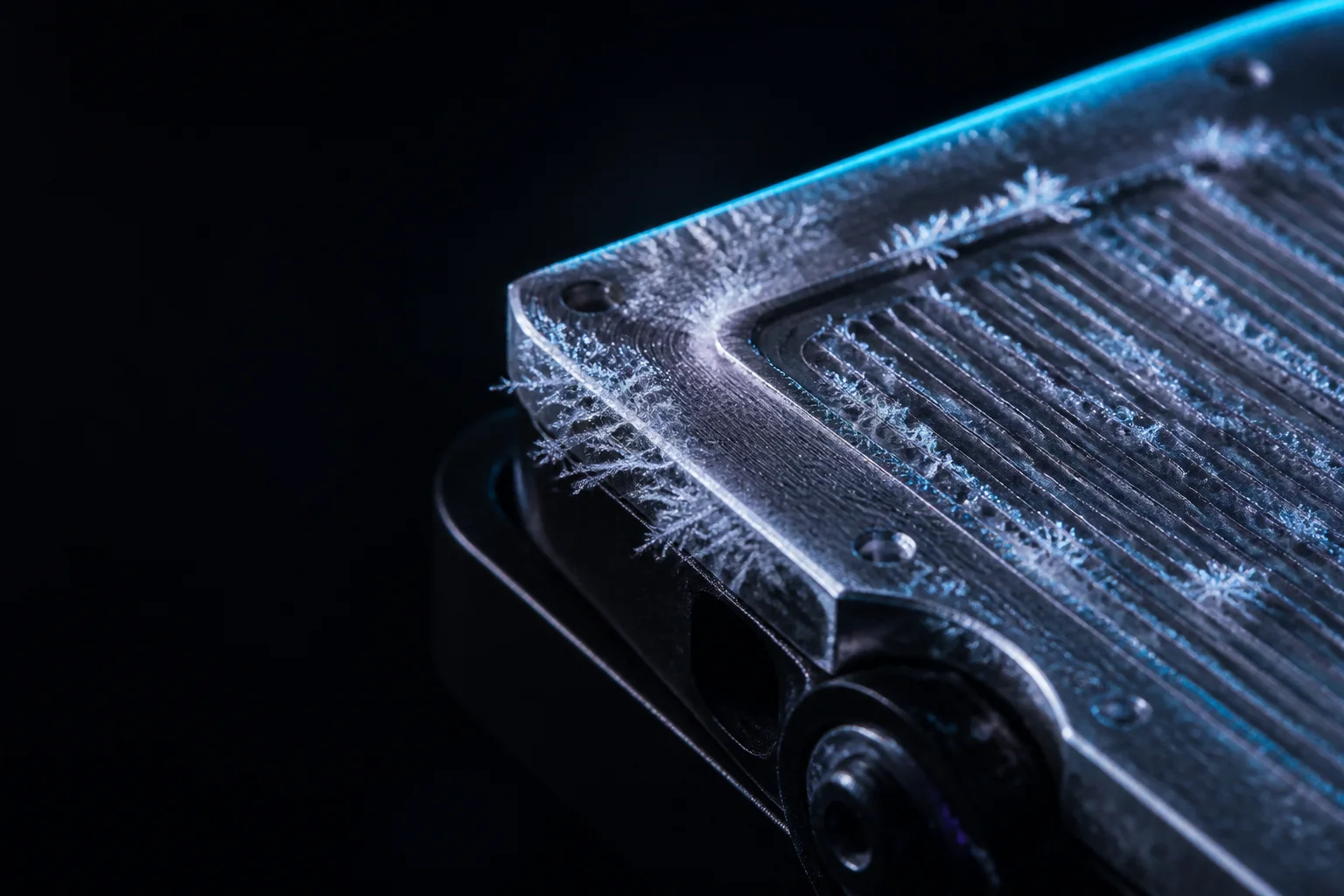
Reduced energy consumption, increased server density and stable operations.
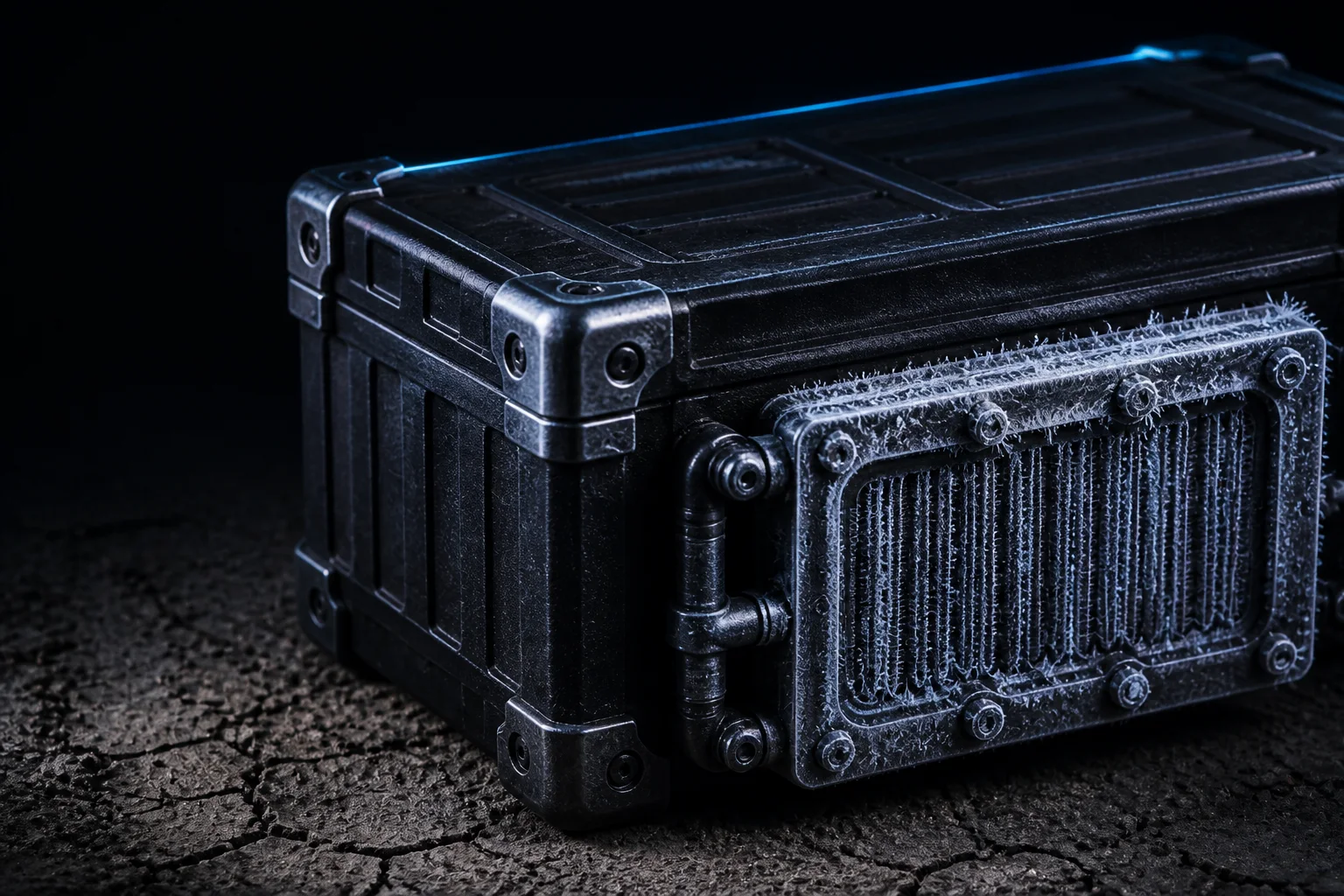
Consistent thermal control under extreme and dynamic conditions.
The team
EndoTer was built by a multidisciplinary group of clinicians, chemists, physicists and engineers who chose to take an active role in an exceptional journey — through technological and regulatory complexity, guided by a clear understanding of the potential.

Gvir Meydani
CEO

Roi Rint
CRO

Omer Vagima
COO

Prof. Pinchas (Pinny) Halpern
Chief Medical Officer

Prof. Doron Aurbach
Chief Science Officer, Chemistry
Dr. Tami Bar
Chemical engineering & regulatory strategy

Prof. Eyal Bressler
Chief Science Officer, Physics & Mathematics

Yair Bartov
Cybersecurity & corporate governance

Adv. Ohad Avidar
Corporate strategist & legal · key role at TASHA energy infrastructure
Legal counsel

Established in 1956, a full-service Israeli commercial firm, advising on corporate structure, intellectual property and commercial agreements.
apm.law
Established in 1938, one of Israel's longest-standing commercial firms, advising on corporate and regulatory matters.
gornitzky.comIn memoriam
Dr. Jeannette Fine
Chief Science Officer & patent strategy
Dr. Jeannette Fine helped lay the scientific and intellectual foundation this company stands on. She gave her expertise, her rigour and her time to work whose significance she recognised long before it was obvious to anyone else.
Her contribution is present in everything EndoTer goes on to build. We remember her with deep respect and lasting gratitude.
Questions
What the vest is, how the coolant behaves, and who it is built for.
A personal cooling system moves heat away from the body instead of cooling the air around it. EndoTer builds its system on a non-toxic molecular coolant carried inside a wearable vest, so the cooling travels with the person rather than staying behind in a conditioned room.
The inner face is a thermally conductive knit that moves heat off the skin into the coolant instead of insulating it in. A continuous serpentine channel formed into the shell carries that coolant across the chest and back, and because it circulates through the full channel length the vest holds an even surface temperature rather than one cold spot.
No. There is no compressor, no battery and no cables. The vest is charged through a single valve without tools, which is what lets it be worn as a base layer under protective gear.
The coolant is a non-toxic, eco-friendly formulation, which is why the vest can be worn as a base layer underneath turnout gear or body armour.
Anyone who cannot leave the heat. Firefighters wear it under the turnout coat, industrial crews wear it in welding bays, foundries and plant floors, and police, security and outdoor crews wear it through long shifts in the sun.
As core temperature climbs, blood is rerouted to the skin to shed heat, the heart compensates for the loss in circulating volume, and eventually it cannot. Performance fails before it feels like it is failing, which is what makes heat stress dangerous on a shift.
Yes. The vest is the first housing for the coolant, not the last. The same platform is designed to carry into medical systems, battery systems, data centres and defence and field equipment.
Contact
We work with emergency services, industrial operators, strategic partners and investors. Tell us where heat is costing you.